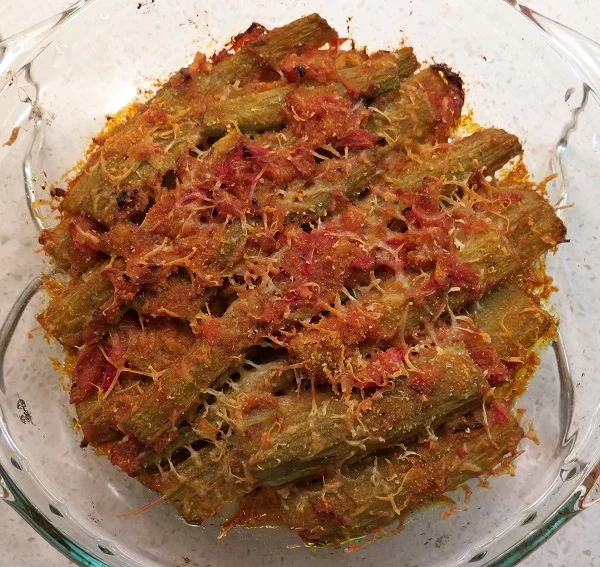
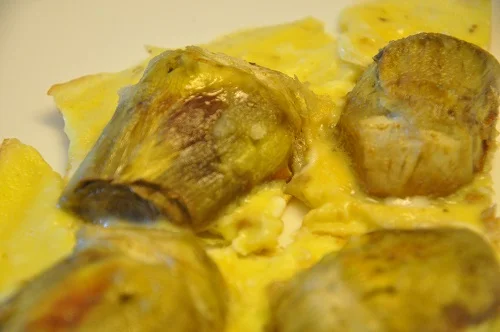
Along with Tuscan black kale, the Cardone (or “gobbo”) has always been the protagonist of the Tuscan farmers’ winter cuisine. It belongs to the artichokes’ family but has a more delicate flavour and has the consistency, and looks, of celery.
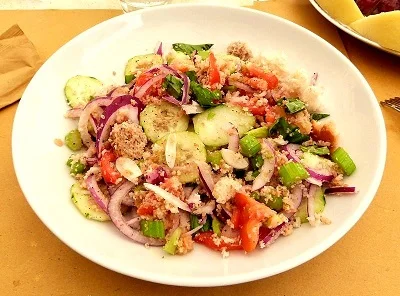
Panzanella is the name of a rustic Tuscan summer dish. It does not require cooking and was originally consumed by the farmers who stayed in the fields all day. As for many dishes from the cucina povera, this uses up leftovers, in particular stale bread.
In Tuscany, especially at dinner time, you will almost always find on the table a classic favourite: pinzimonio. Eating vegetable crudite’ doesn’t get easier than this
Farro is an ancient grain that grows in inhospitable, mountain areas of Italy. Low in gluten and high in protein and fiber, it can be used instead of rice to make risotto (called “farrotto”) since, as rice, it absorbs whatever flavours you add to it.
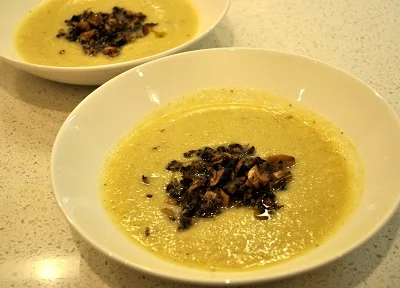
In the coldest days of the year a hearty soup is all you need to uplift body and spirit. This one is simple and quick- for best results use dried porcini mushrooms: I really like their smell and taste of alpine woods!
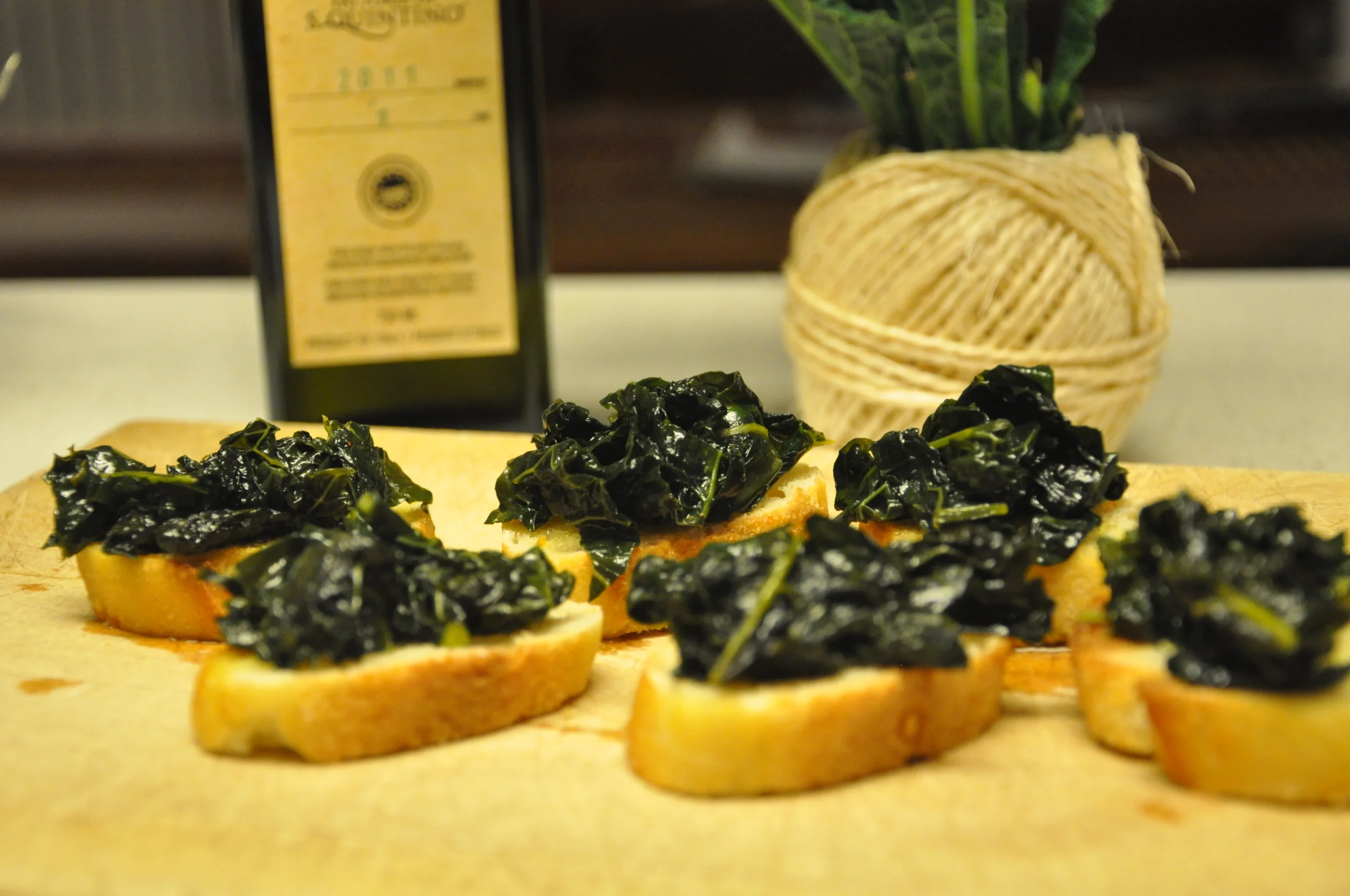
This is a family recipe that is used to celebrate the arrival of the Olio Nuovo: the first frost, which will make the cavolo crisp and tasty, usually happens during olive picking season.
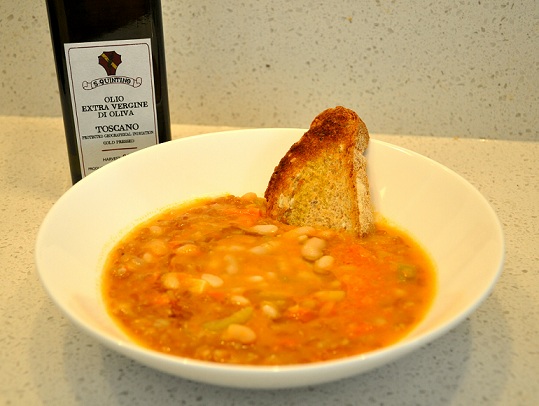
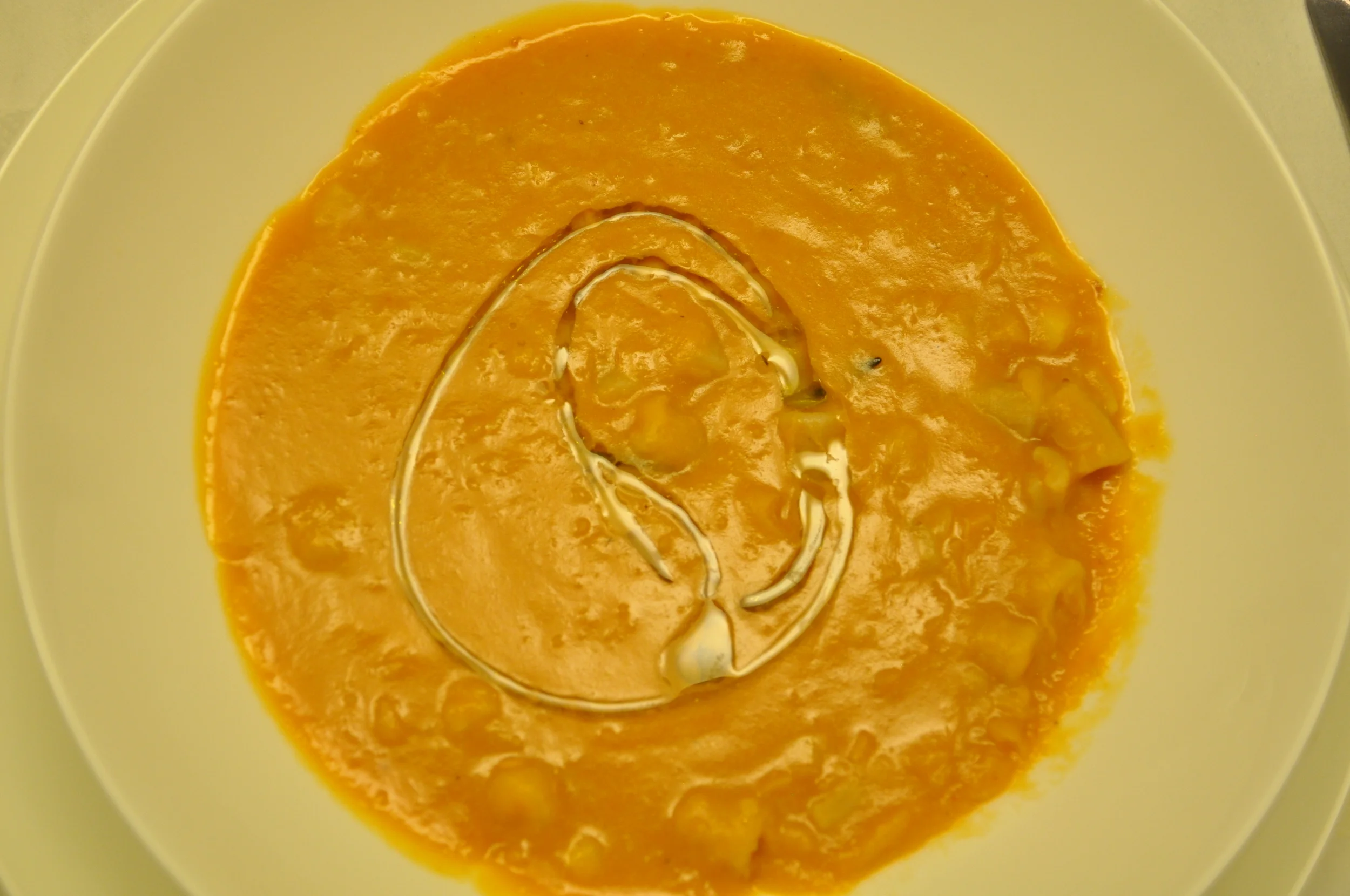
This is probably a bean soup’s version that you haven’t found in any Tuscan recipe books. It comes from my great-grandmother and is undoubtedly my favourite soup: few, simple ingredients deliver a wholesome experience which satisfies all five senses.